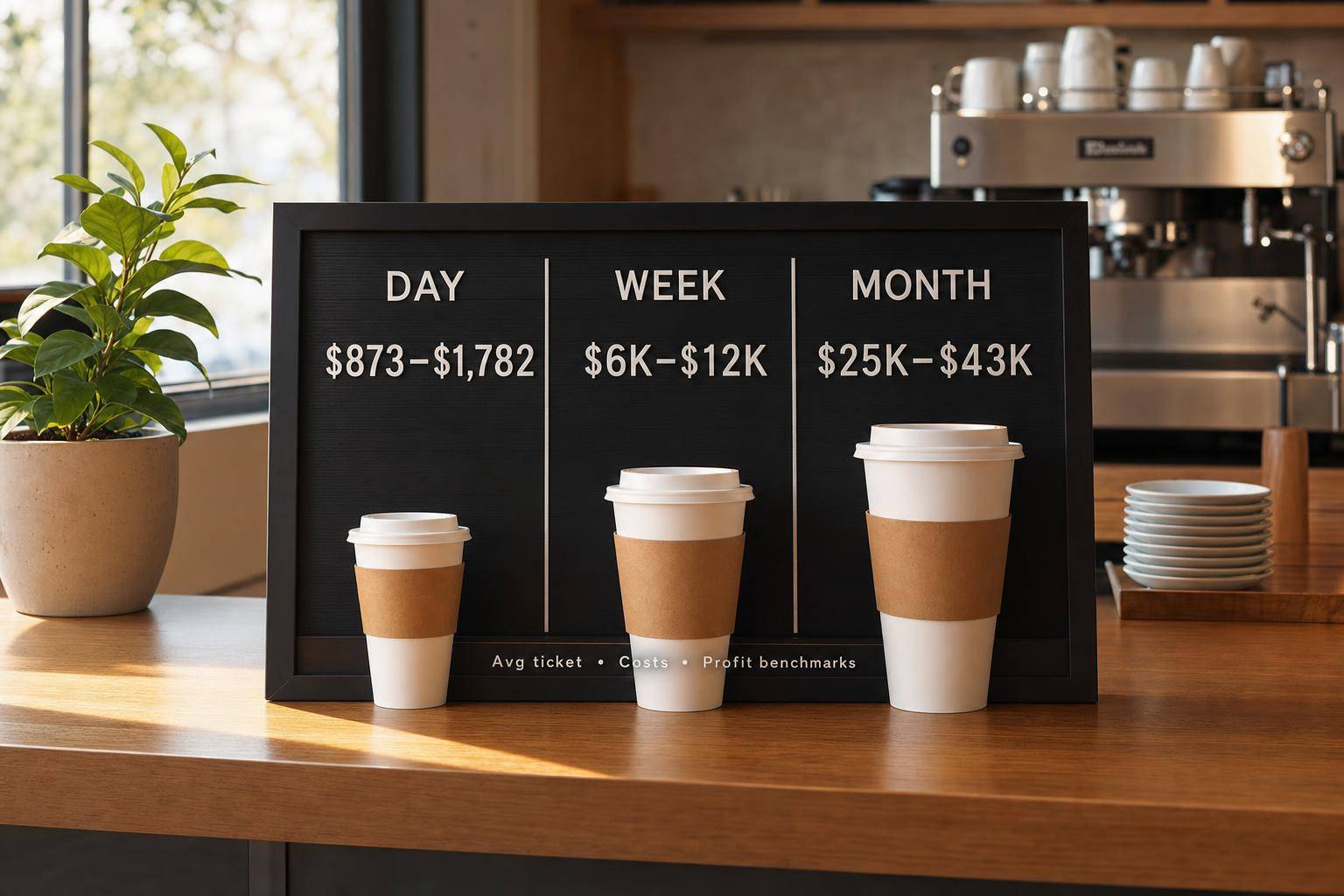
Starting a pool cleaning business can be a lucrative venture with profit margins of 40%–60% and annual growth of 21% in recent years. The key to success lies in understanding startup costs, optimizing service routes, and managing expenses effectively. Here's what you need to know:
- Startup Costs: Initial investments range from $2,000 to $31,950, depending on equipment quality, vehicle choice, and marketing efforts.
- Route Efficiency: A dense route (e.g., 20 pools in one neighborhood) can increase hourly earnings from $55 to $78.57 by reducing travel time and costs.
- Revenue Potential: Servicing 50–60 pools on a well-structured route can generate over $100,000 annually.
- Key Expenses: These include legal setup, equipment, transportation, insurance, marketing, and software tools.
Efficient route planning and strategic investments are essential for profitability. By clustering clients geographically and leveraging tools for scheduling and billing, you can significantly boost earnings while keeping costs under control.
How To Start a Pool Service Business ($277K/year)
sbb-itb-08dd11e
Startup Costs: What You'll Need to Launch a Pool Cleaning Business
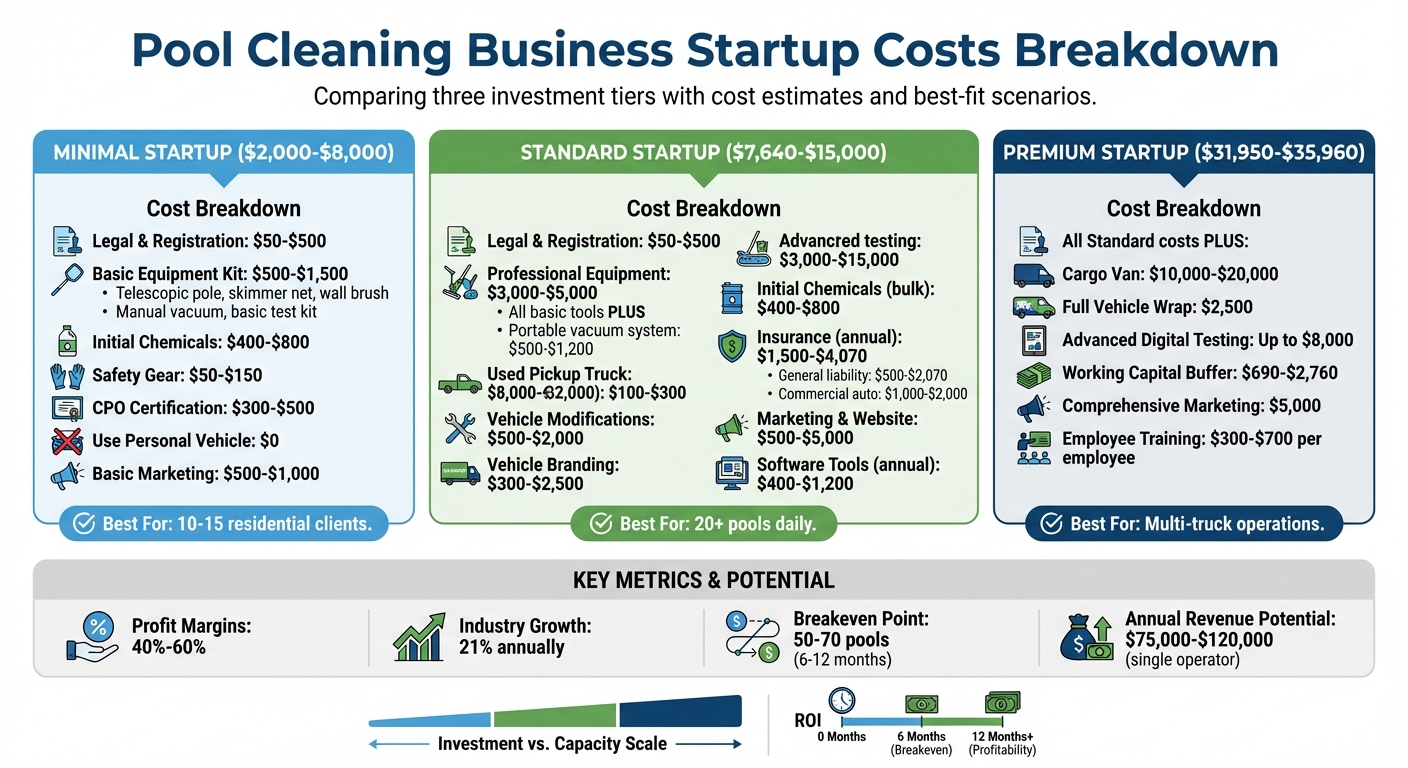
Pool Cleaning Business Startup Costs Breakdown by Investment Level
The cost of starting a pool cleaning business depends on the scale of your operation. Let’s break it down into three main areas: legal setup, equipment, and transportation.
Legal and Registration Costs
Registering your business is the first step. The fees for setting up an LLC or corporation range from $50 to $500, depending on your state. For instance, California charges about $70 to file an LLC, while Washington, D.C. requires a Basic Business License, which costs $99 for two years. Many pool cleaning businesses opt for an LLC structure to protect personal assets, especially when dealing with pool chemicals.
Next, you’ll want to get a Certified Pool & Spa Operator (CPO) certification. This credential, costing $300 to $500, can help you attract commercial clients and boost your credibility. Additionally, some locations may require permits for storing chemicals like chlorine or bromine. These permits vary in cost depending on local regulations.
Once the legal groundwork is done, it’s time to focus on gathering the right tools for the job.
Equipment and Supplies
The equipment you need will depend on whether you’re starting small or planning for a larger operation. For those just getting started, a basic kit will suffice. It typically includes tools like a telescopic pole, skimmer net, wall brush, manual vacuum, and a basic water test kit. Expect to spend between $500 and $1,500 for this setup. While cost-effective, this option involves more manual labor and is best suited for residential pools.
If you’re planning to service a higher volume of pools or commercial accounts, investing in a professional-grade kit makes sense. These kits, priced between $3,000 and $5,000, include heavy-duty tools, a portable vacuum system ($500 to $1,200), and advanced water testing gear like the Taylor K-2000 ($100 to $300). While high-end digital testing systems can cost up to $8,000, they’re usually unnecessary for beginners.
You’ll also need an initial inventory of pool chemicals, which will cost $400 to $800. Adding safety gear, like gloves and goggles, will run another $50 to $150. Buying chemicals in bulk - such as chlorine in 50-pound buckets - can save up to 30% per pound compared to smaller containers.
| Equipment Level | Cost Range | Key Items | Best For |
|---|---|---|---|
| Basic Kit | $500–$1,500 | Telescopic pole, skimmer net, wall brush, manual vacuum, basic test kit | Residential pools (10–15 clients) |
| Professional Kit | $3,000–$5,000 | Includes basic tools plus portable vacuum, digital testing gear, and bulk chemicals | Larger routes (20+ pools daily) |
Once you’ve got your tools, the next step is ensuring you have a reliable way to transport them.
Vehicle and Insurance Costs
A dependable work vehicle is essential. A used mid-size pickup truck, priced between $8,000 and $15,000, is a popular choice because its open bed is perfect for hauling wet and bulky equipment. Alternatively, cargo vans offer better security and weather protection and cost between $10,000 and $20,000. While using a personal vehicle may seem like a budget-friendly option, it can look unprofessional and lead to faster wear and tear.
To make your vehicle work-ready, budget $500 to $2,000 for modifications like ladder racks and secure chemical holders. Adding branding, whether through magnetic signs or full wraps, will cost $300 to $2,500. Full wraps, in particular, can generate 30,000 to 70,000 impressions daily in suburban areas, doubling as mobile advertising.
Insurance is another critical expense. General liability insurance, which covers $1 million to $2 million, costs $500 to $2,070 per year. Commercial auto insurance adds another $1,000 to $2,000 annually. Once your routes are established, you should also account for $500 to $1,000 per month in fuel and maintenance costs.
Marketing, Technology, and Training Costs
Running a successful pool service business relies heavily on three main areas: marketing, software tools, and employee training. Each requires thoughtful investment to attract customers, streamline operations, and maintain a skilled workforce.
Marketing and Branding
Your marketing budget can vary widely, typically falling between $500 and $5,000, depending on how ambitious your approach is. Start with the essentials: a professional logo and printed materials can cost between $200 and $500, while a mobile-friendly website might set you back $500 to $1,500. It’s also important to ensure your vehicle branding aligns with your overall strategy to reinforce your business identity.
One of the simplest and most cost-effective ways to attract customers is by optimizing your Google Business Profile. This is free and ensures your business appears in local search results when people search for terms like “pool service near me”. Pair this with local SEO - using geo-targeted keywords such as “pool cleaning in Phoenix” on your website - to capture nearby customers. Another effective tactic is implementing referral programs. For example, offering a $50 service credit for successful referrals can significantly reduce customer acquisition costs.
For paid advertising, consider allocating $300 to $600 monthly on platforms like Google or Facebook to reach a broader audience.
Software Tools for Efficiency
In addition to marketing, investing in the right software can greatly improve your daily operations. Tools for scheduling and route optimization are especially helpful, with annual costs ranging from $400 to $1,200. Some popular options include:
- Skimmer: Starting at $49/month
- Pool Office Manager: $125/month for the first user
- Paythepoolman: $50/month base fee, plus $10 per technician
These platforms simplify tasks like invoicing, route planning, and chemical dosage calculations. Many also allow offline service reporting with photos, making them highly versatile.
"Paythepoolman is saving me 2-3 hours a night!!" – Cliff Side Pool Service
Route optimization alone can cut fuel consumption and travel time by 15% to 30%, saving up to 10–15 hours of drive time per month on a typical 50-client route. Look for software that integrates with tools like QuickBooks to eliminate manual data entry for invoicing and tax preparation.
Employee Training and Wages
A well-trained team is just as important as smart marketing and efficient technology. Proper training not only improves productivity but also reduces turnover - 40% of employees who don’t receive adequate training leave within their first year.
Budget around $300 to $500 per employee for Certified Pool Operator (CPO) certification. This certification boosts your credibility and is often required for commercial contracts. Add another $0 to $200 for chemical handler training.
Introducing a two-week field shadowing program for new hires can help reduce mistakes and emergency service calls. Cross-training employees in specialized skills like equipment repair or acid washing can provide flexibility during absences and allow you to offer premium services.
Technicians typically earn between $10 and $25 per hour, with $15 per hour being a common rate. Training your team in customer service and communication can also enhance retention and drive referrals, turning your workforce into a key component of your profitability.
Route Economics: How to Reduce Costs and Increase Profits
Efficient route management plays a huge role in boosting profitability. The way you structure your routes could mean the difference between earning $55 per hour and $78.57 per hour. A lot depends on how closely grouped your clients are.
Optimizing Travel Routes and Fuel Costs
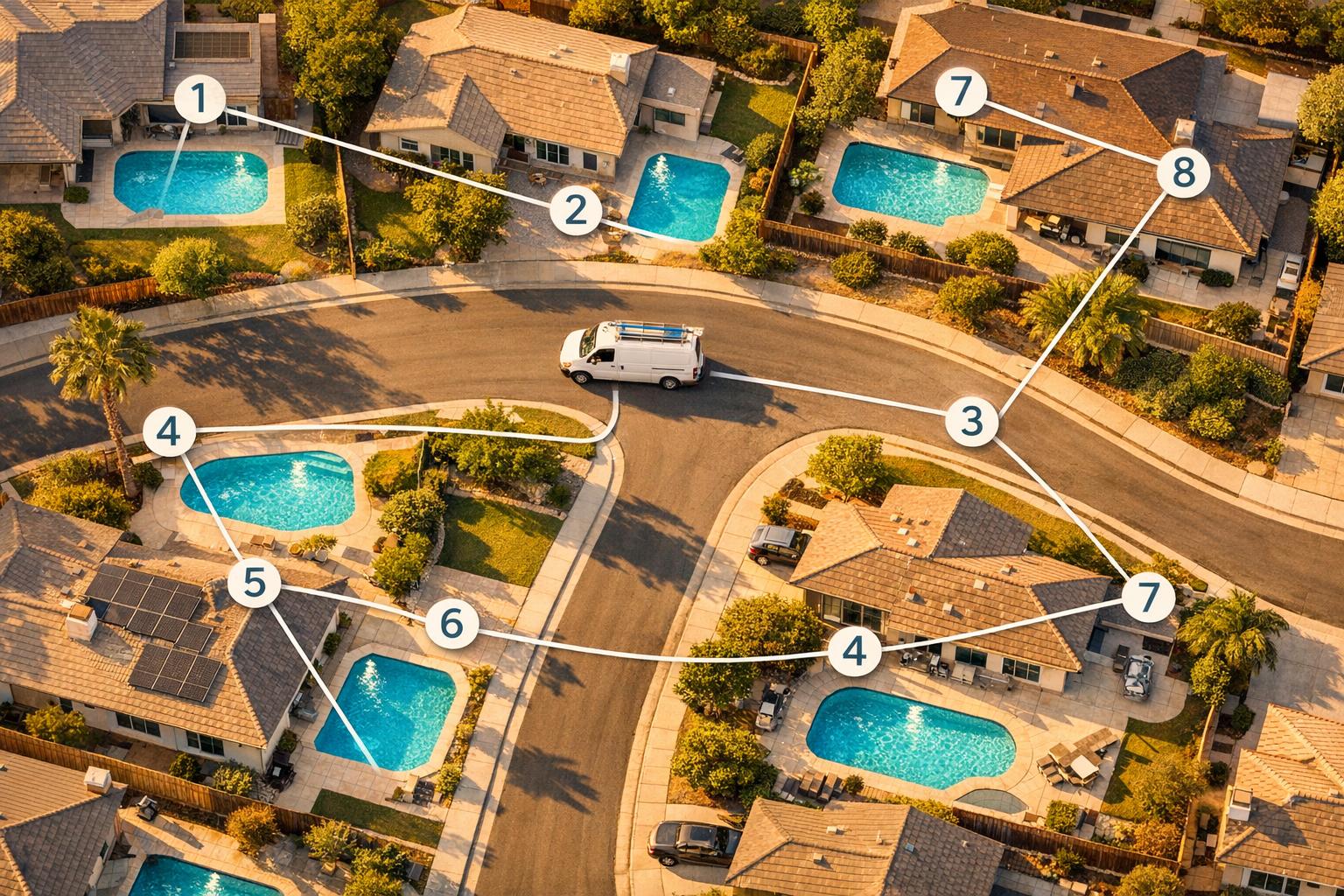
Breaking your service area into geographic zones - like North, South, East, and West - can significantly cut down on unnecessary driving and reduce fuel costs. To maximize efficiency, group clients within a 5-mile radius and aim for stops that are no more than a mile apart or in the same neighborhood.
Smart scheduling is also key. Avoid peak traffic times (7:00–9:00 AM and 4:30–6:30 PM) and steer clear of school zones during busy hours (2:30–3:30 PM). Structure your workday by task type: handle routine maintenance in the morning, chemical checks around midday, and special repairs in the afternoon. Starting and ending your route near your base or supply depot reduces "deadhead" miles - those unproductive miles that eat into your profits.
Efficient route planning can lower fuel consumption by 20–30%, saving you as much as $1,340 annually on fuel costs. On the flip side, poor planning could cost you up to 2.5 hours of wasted drive time daily and add $250 per month in unnecessary fuel expenses. With fuel costs hovering between $0.50 and $1.00 per mile, every extra mile driven has a direct impact on your profit margins.
| Metric | Manual Planning | Optimized Planning | Savings |
|---|---|---|---|
| Daily Drive Time | 3.5 hours | 2.5 hours | 1 hour |
| Daily Miles Driven | 85 miles | 62 miles | 23 miles |
| Pools Serviced per Day | 12 pools | 14–15 pools | 2–3 pools |
| Annual Fuel Savings | – | – | ~$1,340/year |
Source:
Make sure to allocate realistic service times and leave room for emergencies so your schedule stays on track.
Once you've streamlined your routes and reduced fuel costs, the next step is to focus on scheduling to maximize daily revenue.
Client Scheduling for Maximum Profit
Dense routes are more profitable because they allow for more stops in less time. For instance, a technician servicing 10 pools on a tight route can earn far more per hour than one servicing just 6 pools on a scattered route.
The trick is to create "tight routes" by clustering stops within the same neighborhood. Offering neighbors of existing clients a $10–$20 monthly discount if they sign up within 30 days can help you build denser routes and cut down on travel time. At the same time, you should consider dropping clients whose pools are more than 20 minutes away from your nearest cluster - unless they’re willing to pay a premium for the extra travel.
A well-managed route of 50–60 pools can generate over $100,000 in annual revenue. Residential clients typically pay between $175 and $260 per month for weekly service. Commercial clients, like apartment complexes or hotels, often need 2–5 visits per week and pay anywhere from $500 to $2,500 or more per month.
| Metric | Scattered Route | Dense Route |
|---|---|---|
| Pools Serviced per Day | 6 | 10 |
| Revenue per Visit | $55 | $55 |
| Total Daily Revenue | $330 | $550 |
| Total Hours (Work+Drive) | 6 hours | 7 hours |
| Effective Hourly Rate | $55.00/hr | $78.57/hr |
Source:
One commercial account with multiple pools can bring in revenue comparable to 10–15 residential accounts, making your route far more efficient. Using mobile-friendly route planning tools, technicians can also adjust their schedules in real time if a customer cancels, ensuring every stop counts.
Total Startup Costs and Breakeven Analysis
This section pulls together the key details on startup costs and breakeven expectations, building on earlier discussions about expenses and route planning.
Complete Startup Cost Table
The initial investment needed to start a business can vary significantly based on the scale and approach. A small, owner-operated setup might require just $2,192, while a typical small business launch falls in the range of $7,640 to $35,960. Larger-scale operations, such as those with multiple vehicles, can exceed $428,000.
Here’s a consolidated table summarizing startup costs by category:
| Category | Low Range | High Range | Notes |
|---|---|---|---|
| Legal & Registration | $50 | $1,500 | LLC filing, licenses, and permits |
| Equipment & Supplies | $500 | $3,000 | Skimmers, vacuums, poles, and chemicals |
| Vehicle & Branding | $5,000 | $21,000 | Reliable truck with signage or wraps |
| Insurance | $600 | $2,000 | General liability and workers' comp |
| Marketing & Website | $500 | $5,000 | Logo, website, and initial advertising |
| Training & Certifications | $300 | $700 | CPO course and safety training |
| Working Capital | $690 | $2,760 | Ongoing chemical expenses buffer |
| Total Startup Cost | $7,640 | $35,960 | Standard small business launch |
Breakeven Analysis
Understanding breakeven timelines is crucial for planning profitability. This occurs when fixed expenses are fully covered by the contribution margin from each pool serviced. For instance, if the average monthly bill per pool is $155, and variable costs are around $40, the contribution margin per pool is $115. With annual fixed costs of $70,000, you’d need to service about 51 pools to break even.
Most small businesses reach breakeven after managing 50–70 pools within 6–12 months. Larger operations with higher initial investments may achieve this milestone in as little as 9 months. To refine your projections and explore different revenue scenarios, tools like IdeaFloat’s Financial Projections can be invaluable.
"A small owner-operated pool route can realistically generate $75,000–$120,000 in annual net income, while a 2–3 truck operation may produce $200,000–$400,000+ in Seller's Discretionary Earnings (SDE)." - John C. Bucher, Business Broker
Efficient route management and consistent billing practices play a critical role in profitability. By clustering clients within tight geographic zones, you can reduce drive time and fuel costs - two of the biggest expenses. Additionally, adopting auto-renew monthly billing with tiered service plans ensures steady cash flow and keeps your average revenue per customer high.
Conclusion
After diving into the cost breakdowns and route strategies earlier, the next step is to fine-tune your operations and confirm your financial model. With profit margins ranging from 40% to 60%, success hinges on careful planning and smart route management.
"If you're willing to do the work yourself, your initial investments don't have to be massive... [You] can get everything you need (assuming you already have the car) for less than $1,000." - Rafi Friedman, CEO, Coastal Luxury Outdoors
Before committing to purchases or signing on clients, test your model with real-world data. Use tools like IdeaFloat, which can calculate startup costs tailored to your state, create financial projections, and outline a detailed go-to-market strategy. This eliminates guesswork when setting pricing, estimating breakeven points, or planning customer acquisition efforts.
Target neighborhoods where you can build client density, offer high-margin add-ons like equipment repair, and automate billing systems to maintain steady cash flow. With the right groundwork and tools, a modest investment could grow into a six-figure business within your first year.
FAQs
What should I charge for weekly pool service to stay profitable?
To keep your business profitable, aim to charge $120–$350+ per month per client, depending on factors like the pool's size, type, and the level of service provided. This breaks down to approximately $30–$87+ per week. These rates ensure you can cover essential expenses such as chemicals, labor, and travel while still securing a solid profit margin.
How many pools do I need to break even in my first year?
To cover your expenses in the first year, you'll need to maintain a schedule of servicing around 4 to 6 pools per week. The precise number can vary based on factors such as how much you earn per pool and your total operating costs.
How do I build a dense route quickly in one neighborhood?
To create an efficient and compact route in a single neighborhood, start by pinpointing potential clients and grouping them based on location. This reduces travel time and keeps your route tight. Leverage mapping tools to design routes that cut down on backtracking and wasted mileage. Offer weekly or bi-weekly services to keep your client list consistent and manageable. Regularly confirm appointments to ensure your schedule stays optimized. This method helps you maximize profitability while minimizing downtime between jobs.
Related Blog Posts
- How to Start a Pressure Washing Business With Under $1,000
- How to Start a Profitable Lawn Care Business: Complete Guide
- Pressure Washing Startup Costs: Gear, Licences, ROI
- Pool Cleaning Business: Routes, Pricing, Safety